Business Insurance for Fitness Facilities in San Diego (2025 Guide)
August 2025



August 2025
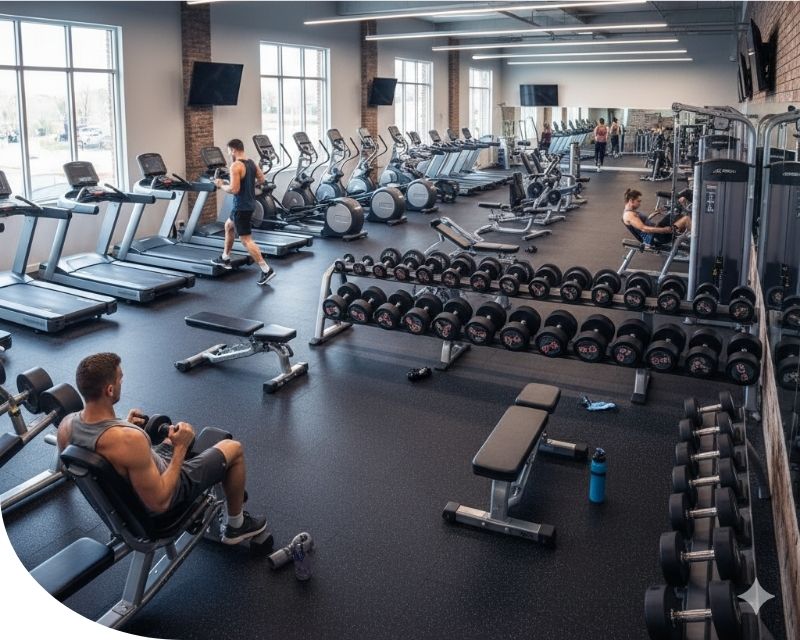
Running a fitness business in San Diego means more than managing members or maintaining equipment. It also means being prepared for accidents, injuries and property damage that can put your business at risk. From CrossFit boxes and personal training studios to Pilates and martial arts centers, all fitness facilities face liability exposures that require the right insurance protection.
This guide outlines which business insurance policies gym owners need in California, what’s required by law, the most common claims in the fitness industry, and how to reduce your risks and insurance costs. You’ll also find links to pages with more details on general liability, workers’ compensation, commercial property, BOP, professional liability and gym insurance in San Diego.
Gyms, studios and training centers deal with active clients, shared equipment and physical contact, a mix that naturally increases risk. Someone can trip over a weight, tear a ligament during class or slip on a wet floor. Even a minor issue can lead to a costly lawsuit or facility shutdown if you’re not insured.
San Diego’s climate and outdoor fitness culture add another layer of risk for businesses that offer beach bootcamps, rooftop yoga or mobile training services. A strong insurance plan doesn’t just protect your balance sheet; it protects your reputation and your ability to stay open.
The following policies are either required or strongly recommended for gyms, fitness centers, and wellness studios:
Protects against third-party claims for bodily injury or property damage. If a client is injured on-site or you damage something while operating off-site (e.g., at an outdoor class), this coverage helps with legal and medical costs.
Required by California law if you have even one employee. This covers injuries or illnesses your staff experience while on the job, including trainers, instructors and cleaning staff.
Covers repair or replacement costs for your building and physical assets like weights, treadmills, and computers if damaged by theft, fire or other covered events.
Combines general liability and property insurance into one policy, often at a discounted rate. A great option for smaller gyms and independent studios that want broad protection in one package.
Covers claims of negligence or errors related to coaching, advice or fitness instruction. If a trainer gives improper form guidance and the client is injured, this policy may help cover legal defense and settlements.
Adds extra protection if a lawsuit exceeds the limits of your general liability or auto policy. A smart option if you run large group classes or events with high attendance.
Starting or operating a fitness business in California means meeting a set of legal obligations, especially when it comes to insurance and liability protections.
Under California law, any business with one or more employees must carry workers’ compensation insurance. This includes part-time instructors, front desk staff, and even cleaning personnel. Failing to secure this coverage can result in significant fines or stop-work orders from the Division of Workers’ Compensation (DWC).
If your gym or studio operates in a rented space, your landlord will likely require you to carry general liability insurance and list them as an “Additional Insured.” This protects the building owner from lawsuits arising out of your business operations.
A certificate of insurance (COI) is commonly requested if you offer classes in public spaces, partner with other wellness businesses or work with independent contractors. Having the right coverage and being able to prove it quickly can help you secure more opportunities.
Many fitness centers require participants to sign liability waivers. While helpful in limiting exposure, they don’t eliminate your legal responsibility especially if negligence can be proven. Insurance is still essential, even with signed forms in place.
Fitness businesses in San Diego face a unique mix of physical, operational and reputational risks. Here are some of the most common claims that lead to insurance payouts and the policies that typically respond:
Sweat, water bottles or cleaning products can leave floors slick. A single fall near the front desk or locker room can lead to medical bills and legal action.
Improper use, poor maintenance or malfunctioning machines (like treadmills, cable stations or free weights) can cause muscle tears, falls or pinched fingers.
Covered by: General Liability or Professional Liability, depending on how the injury occurred.
Trainers and instructors are physically active and exposed to injury risks daily. Lifting injuries, strains or slips during sessions are common.
A break-in, fire, water damage or vandalism can interrupt your business and destroy expensive fitness equipment or computers.
Covered by: Commercial Property Insurance
If a trainer gives faulty advice, overlooks a medical concern or pushes a client too far in class, a negligence claim could follow.
Though less common, employment-related claims involving staff or clients can be serious and damaging. May be covered by Employment Practices Liability Insurance (EPLI), not always included by default.
Insurance protects your gym or fitness studio when things go wrong, but smart risk management helps you avoid claims in the first place. The fewer incidents you have, the better your long-term pricing and insurability.
Here are five practical steps that can make a difference:
Create a routine schedule for inspecting machines, cables, mats and lockers. Keep digital or paper logs to show your equipment is safe and regularly maintained. This can reduce liability and help defend against negligence claims.
Restricting facility access to members only adds a layer of protection. It helps you track usage patterns, identify incidents and reduce the chance of non-member injuries.
All staff, not just trainers, should know how to handle injuries, CPR basics and what to do if equipment fails. Invest in formal training and refreshers every year.
Signed waivers are important, but courts can still find you liable for negligence. Waivers should be reviewed by legal counsel and clearly explain risks. Pair them with proper insurance, not instead of it.
Working with a San Diego-based insurance agency like H&M lets you combine key coverages such as general liability and property through a business owner’s policy (BOP). Bundling often reduces total premiums and simplifies renewals.
If you own or manage a gym, training facility or fitness studio in San Diego, the right insurance coverage can protect your staff, your equipment and your peace of mind. H&M Insurance has helped local businesses for over 50 years with personalized service and access to multiple carriers for the best coverage at the right price.
Call (619) 296-0005 or contact us online to speak with a local agent about your business insurance options.
Disclaimer: This blog post is for informational purposes only and does not constitute legal, insurance or financial advice. Coverage options and legal requirements may vary based on your business, location and insurance provider. For personalized advice, please contact a licensed insurance professional.
Yes. If you’re an independent contractor or personal trainer renting space at a larger facility, you can still carry your own general liability and professional liability policies. Some gyms may require you to show proof of insurance before allowing you to use their space.
Coverage may extend to offsite locations, but not all policies include outdoor activities by default. If your business regularly hosts classes in parks or public areas, let your agent know so coverage can be written correctly.
In California, you must provide workers’ comp for all employees, and some 1099 contractors may be considered employees under state rules. Misclassification is a common issue. It’s best to review worker roles with your agent to stay compliant.
Yes, you may need expanded professional liability coverage. Services like nutrition advice, supplement sales or wellness assessments increase exposure and could require a broader policy form.
Yes. While difficult to prove, claims related to illness or sanitation (like mold, bacteria or virus exposure) do happen. General liability insurance may help, but exclusions may apply. Proper cleaning documentation and signage are also critical defenses.
Yes. Even if you operate on a membership-only model, the risk of injury, equipment damage or staff injury still exists. Limiting access can reduce risk, but it doesn’t eliminate your liability.
Your policy won’t automatically adjust to cover major changes. If you add new equipment, expand your square footage, or start offering new services (like massage therapy or group classes), you should update your coverage immediately to avoid gaps.